Leaky Toilet Costing You Money? This Quick Fix Saves Hundreds
Toilet repair is easier than most people think. If you have a running toilet tank, this fix is for you — one of the most common (and cheapest) repairs you'll ever make.
Equipment You May Need
Worth the fix?
Anyone can do this and save a lot of money
The Fix
A toilet that runs constantly — or cycles on for a few seconds every few minutes on its own — can waste hundreds of gallons of water a day. On a metered water bill, that shows up fast, and it's one of the cheapest repairs in the whole house to fix. Here in California water is a precious commodity and can be expensive. So a leaky toilet can add up to a pricey water bill - especially when you only billed every two months. Recently the water company installed a "smart meter" for our water. A few weeks after they installed it we got an email saying that we possibly had a leak somewhere. I guess a constant running meter triggers their leak detection algorithm.
What's Actually Leaking
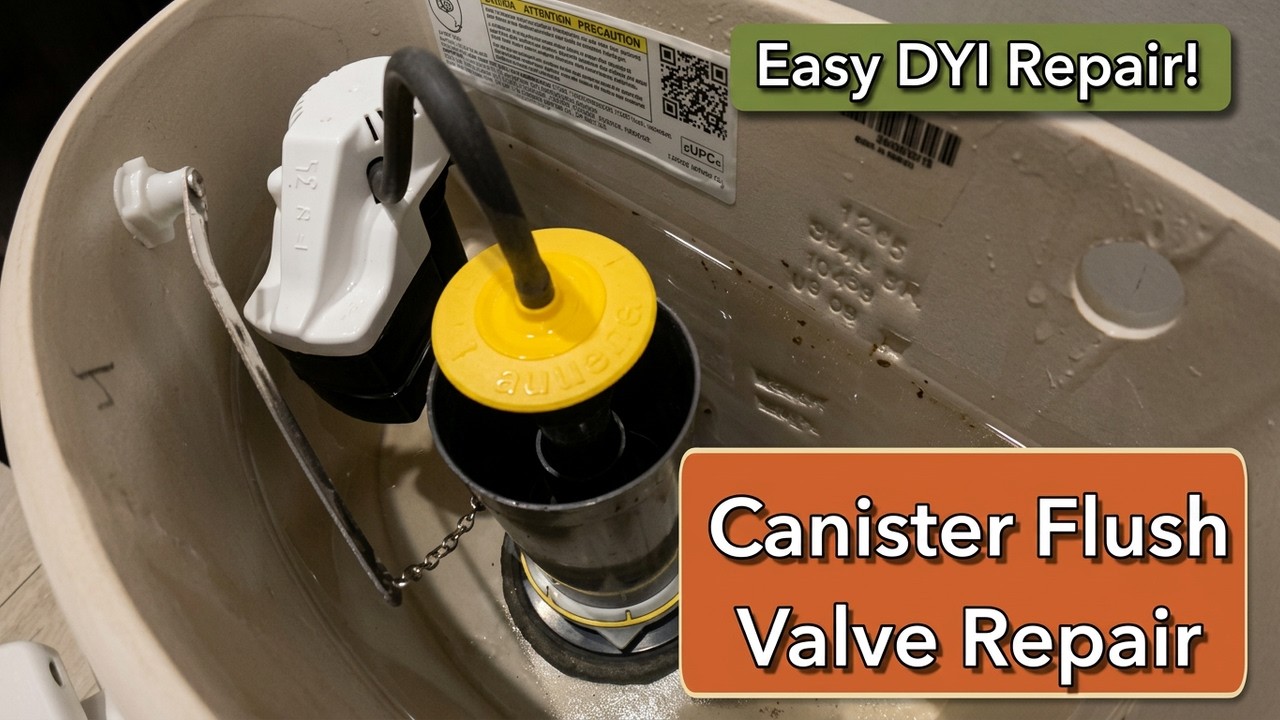
The tank has two main wear parts: the flapper (the rubber seal at the bottom that lets water into the bowl) and the fill valve (the part that refills the tank after a flush). A worn flapper is the more common culprit and the cheaper fix — a few dollars in parts and about ten minutes. Our toilet has what you call a canister valve instead of a flapper. This consists of a gasket at the bottom of the tank a cylinder that sits on top of the gasket. When you flush the outer wall of the canister slides up and lets the water into the bowl. The original one we had was just sitting on top of the washer and sealed via suction. The actual gasket was completely worn and basically mush. This was the part that was failing. Water was slowly seeping through the gasket and into the bowl. Eventually the water level dropped low enough and that would trigger the float mechanism to refill the tank. So occasionally the toilet would just start "running'.
How to Tell Which Part Is Failing
A simple test: just turn off the water to toilet. If the canister is bad and allowing water into the bowl then eventually your toilet tank will empty. If it does that you know your canister (or flapper if that's what you have) is leaking and should be replaced. Of course if there is water leaking onto the floor then the leak is almost certainly our fill valve gasket.
With the water on, if the water level in the tank keeps creeping up past the fill line even when nothing's leaking into the bowl, the fill valve is the problem — see the fill valve replacement guide for that fix.
Why This Is a Great First Home Repair
No specialty tools, no shutting off water to the whole house — just the toilet's own supply valve. It's forgiving to learn on and the parts are inexpensive enough that getting it slightly wrong the first time isn't costly. It's also one of the most likely plumbing fixtures to leak, along with your faucets.